The Best Savory Sourdough Recipe: Roasted Garlic & Rosemary
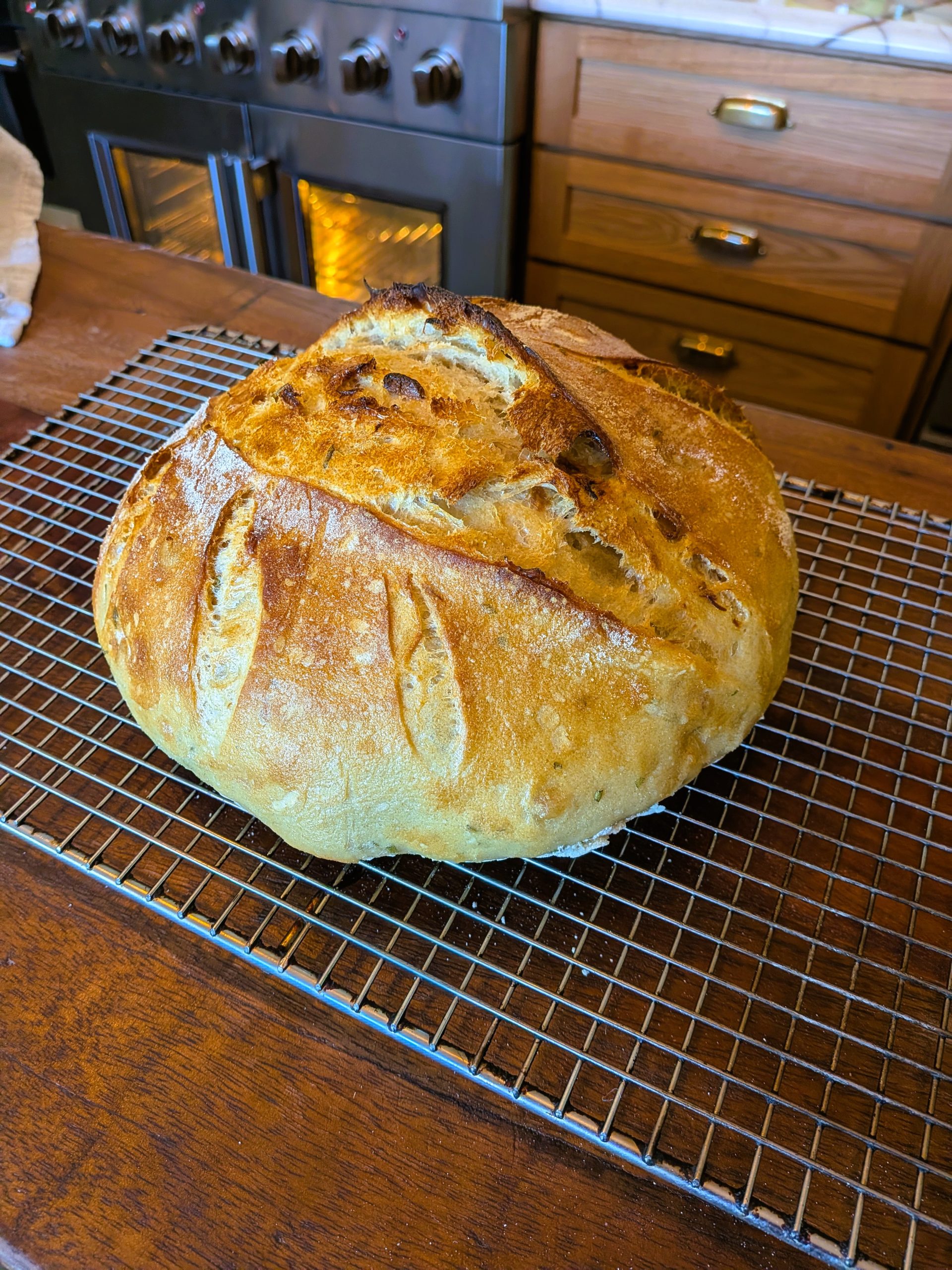
Welcome back to the Sourdough Flavor Inclusions series here at Doughn’t Knock It. Today, we are tackling a flavor combination so classic, so aromatic, and so universally loved that the smell of it baking will bring your neighbors knocking on your door: Roasted Garlic & Fresh Rosemary Sourdough.
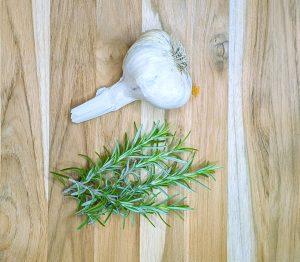
While we love pushing the boundaries with wild combinations like jalapeño bacon cheddar, sometimes you need a rustic, herbaceous loaf that pairs perfectly with a bowl of soup, a smear of good butter, or a charcuterie board. Remember to get the perfect chewy texture and ensure your dough is strong enough to hold a whole head of roasted garlic, you need a high-quality, high-protein bread flour. Sunrise Flower Mill is my absolute go-to for this loaf. By roasting an entire head of garlic until it’s sweet and caramelized, we remove the sharp “bite” of raw garlic and fold those incredibly soft, savory cloves directly into our dough matrix alongside earthy, fresh rosemary.
Mastering Garlic in Sourdough
Adding garlic to sourdough is a game-changer, but it requires a bit of finesse. Here are a few essential tips from Matt’s Kitchen to ensure your loaf is a success:
- Roast it First: Never add raw garlic to your sourdough. Raw garlic contains allicin, an antimicrobial compound that can severely inhibit your wild yeast, resulting in a flat, dense brick of bread. Roasting the garlic first not only mellows the flavor into a sweet, umami-rich paste, but it also destroys the yeast-killing enzymes.
- Let it Cool: Once you squeeze those beautiful caramelized cloves out of their skins, let them cool to room temperature before adding them to your dough. Hot garlic will prematurely cook your gluten and melt your yeast.
- The Lamination Smear: To get pockets of garlic and flecks of rosemary in every single bite, we use the lamination technique. Stretching the dough out thin allows you to gently smear the soft garlic paste across the surface before rolling it all up.
How to Serve It
This bread is a showstopper. Toast a thick slice and use it to mop up the broth from a hearty stew, slice it for the ultimate grilled cheese sandwich, or simply eat it warm with a generous slab of salted European butter.
Frequently Asked Questions (FAQ)
Will adding garlic kill my sourdough starter? Raw garlic contains an antimicrobial compound called allicin, which can severely inhibit or even kill your wild sourdough yeast, resulting in a dense, flat loaf. However, roasting the garlic first completely destroys this enzyme and mellows the flavor. As long as you use roasted garlic and let it cool completely before adding it to your dough, your yeast will be perfectly safe.
Can I use dried rosemary instead of fresh? While you can use dried rosemary in a pinch, fresh is highly recommended. Dried rosemary needles are tough, woody, and can act like tiny needles that pierce your delicate gluten structure during shaping. If you must use dried, reduce the amount by half (as dried herbs are much more potent) and soak it in a tiny bit of water for 10 minutes to soften it before folding it into your dough.
When is the best time to add the garlic and rosemary to the dough? The best time to add heavy inclusions is during the lamination stage, which happens right after your initial stretch and folds. By stretching the dough out thin across your counter, you can smear the roasted garlic paste and sprinkle the rosemary evenly. Rolling it back up ensures the flavors are distributed throughout every single slice without tearing your gluten strands.
Roasted Garlic & Fresh Rosemary Sourdough
Ingredients
- 1 whole Head of Garlic
- 1 tbsp Extra Virgin Olive Oil
- 450 g Bread Flour High Protein
- 50 g Whole Wheat Flour
- 375 g Water Warm, ~80°F
- 100 g Active Sourdough Starter
- 10 g Fine Sea Salt
- 2 tbsp Fresh Rosemary finely chopped
Instructions
- Preheat your oven to 400°F (200°C).
- Slice the top quarter off the head of garlic, exposing the cloves.
- Drizzle with olive oil, wrap tightly in aluminum foil, and bake for 40-45 minutes until soft and caramelized. Or use one of these cool garlic roasters.

- Let it cool completely, then squeeze the roasted cloves out of their skins. Set aside.
- In a large mixing bowl, whisk the warm water and active starter together.
- Add the bread flour and whole wheat flour.
- Mix until a shaggy dough forms and no dry flour remains. Cover and let rest for 45 minutes to autolyse.
- Sprinkle the sea salt over the dough. Dimple it in with wet fingers and perform a series of stretch and folds for about 3-5 minutes until the dough builds initial tension.
- Cover and rest for 30 minutes.
- Turn the dough out onto a lightly misted counter. Gently stretch the dough out into a large, thin rectangle for lamination.
- Smear the cooled roasted garlic cloves evenly across the surface and sprinkle with the freshly chopped rosemary.
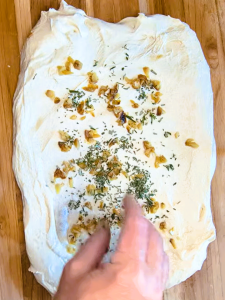
- Fold the dough into thirds (like a letter), then roll it up. Place it back in the bowl, cover, and rest for 30 minutes.
- Perform 3 more sets of coil folds spaced 30 minutes apart to continue building strength.
- After the last fold, let the dough rest untouched until it has increased in volume by about 40-50%, shows bubbles on the surface, and feels airy.
- Turn the dough onto an un-floured surface. Use a bench scraper to shape it into a loose round.
- Let it sit uncovered for 20 minutes to relax the gluten.
- Lightly dust the top of the dough with rice flour. Flip it over and stitch the dough into a tight boule. Place it seam-side up into a rice-floured banneton.
- Cover the banneton securely and transfer to the refrigerator for 12 to 16 hours for the cold retard.
- Preheat your oven to 500°F (260°C) with a Dutch oven inside for at least 45 minutes.
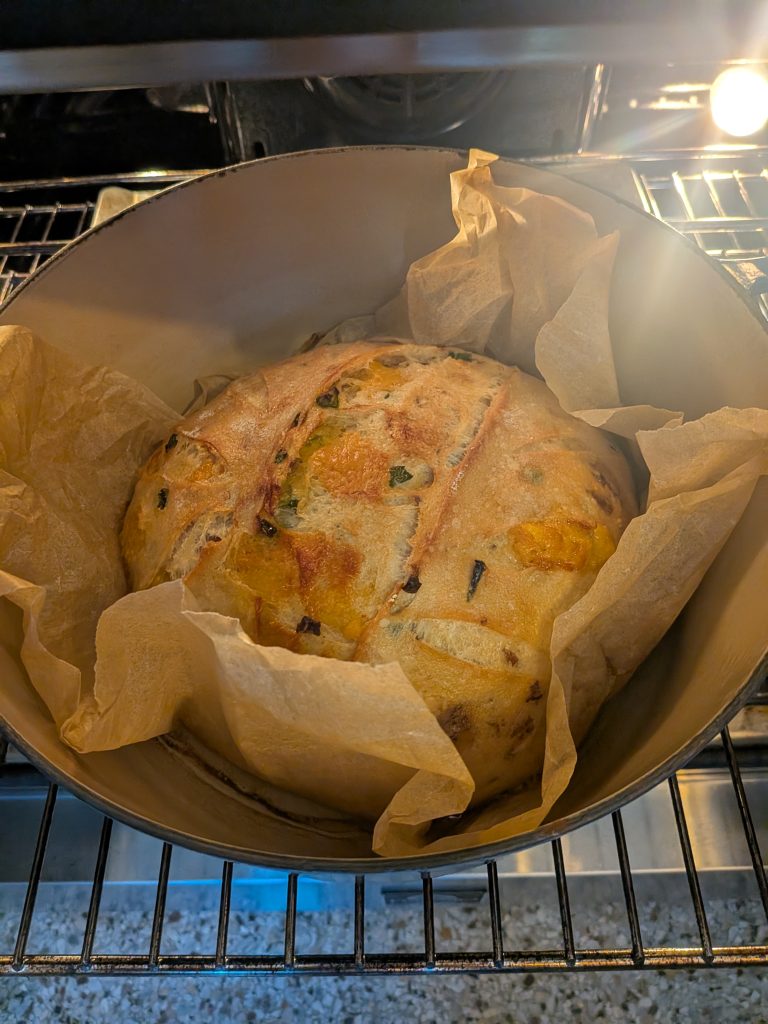
- Turn the dough out onto parchment paper, score it, and carefully transfer it to the hot Dutch oven. Drop an ice cube under the parchment for extra steam, cover, and bake for 20 minutes.
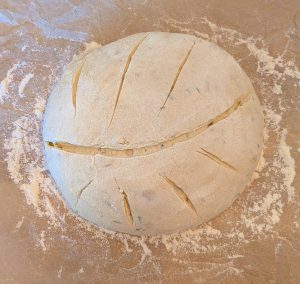
- Remove the lid, reduce the oven temperature to 450°F (230°C), and bake for an additional 20-25 minutes until the crust is deeply caramelized.
- Cool completely on a wire rack before slicing.
Notes
Fresh vs. Dried: Always use fresh rosemary for this loaf. Dried rosemary can be too woody and sharp, piercing the gluten structure and leaving an unpleasant texture in the final crumb.